Cost-Effective Fence Replacement: Transform Your Outdoor Space Today
Budget-friendly fence replacement serves an important purpose in upgrading exterior spaces while protecting property value. Homeowners often overlook the benefits of timely fence updates. By selecting appropriate materials and approaches, homeowners can attain both visual appeal and safety without overspending. Understanding the options available is essential. What are the best choices for budget-conscious homeowners? The findings could point toward surprising alternatives.
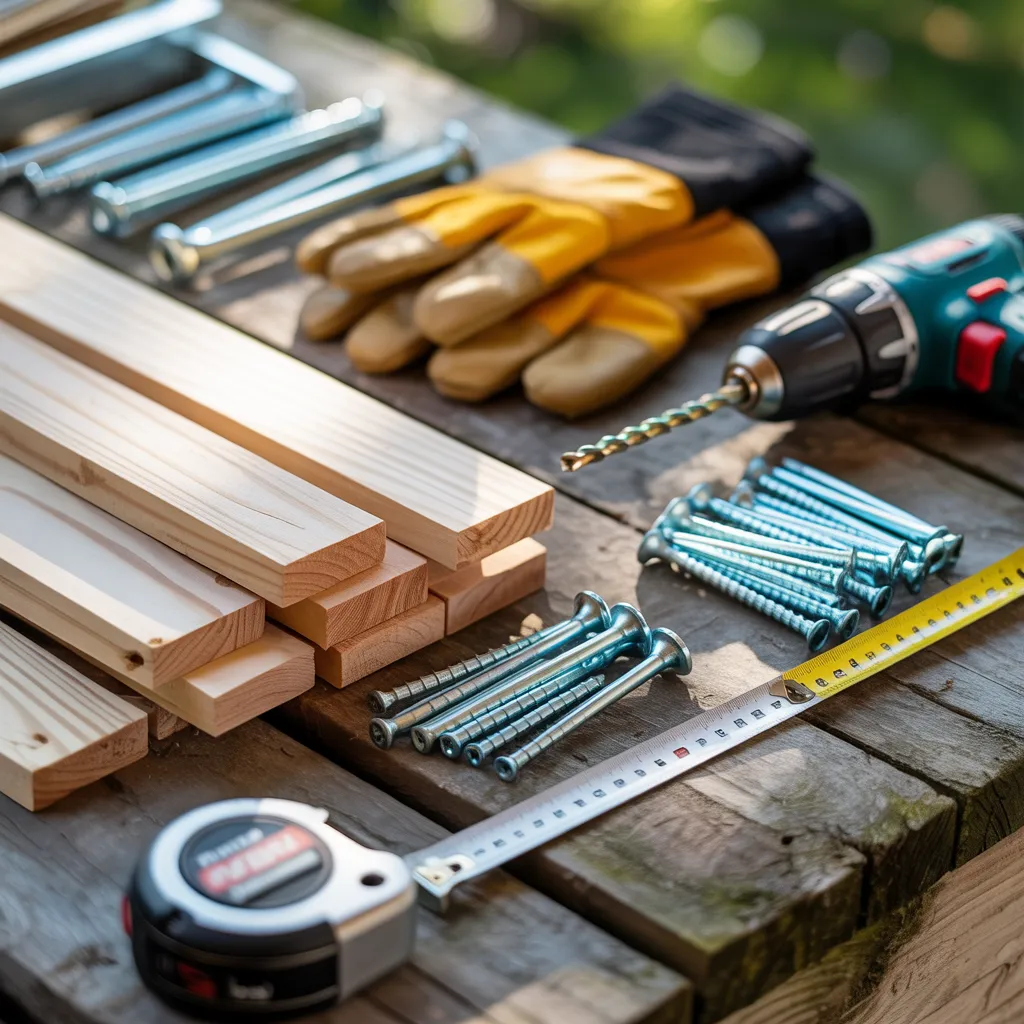
Determining Your Fencing Needs
What is the best way to identify the most effective method to replacing a fence? The journey starts with a detailed inspection of the present state of the fence. This involves examining damage, rot, or decay, as well as assessing the general appearance and functionality of the existing fence. Property owners must also evaluate the primary function of the fence—whether for privacy, security, or boundary demarcation. Following this, it's critical to determine the dimensions of the area requiring fencing, guaranteeing precise measurements for choosing materials. Financial considerations are a key factor; being aware of the cost differences among materials, such as wood, vinyl, or metal, allows for informed decisions. Additionally, local zoning laws and neighborhood aesthetics should be considered as part of the process. By focusing on these considerations, one can effectively identify the most suitable fencing solution customized to individual requirements, ensuring a smooth and successful fencing project.
Why Cost-Effective Fence Replacement Is Important for Homeowners
Although many property owners tend to underestimate the value of cost-effective fence replacement, it plays an essential role in maintaining property value and security. A well-maintained fence not only enhances the aesthetic appeal of a property but also serves as a defensive shield against trespassers and stray animals. As time passes, gradual deterioration can undermine a fence's performance, making swift replacement an important consideration.
Cost-effective choices help homeowners to restore their fences without overspending on renovations. This financial commitment not only enhances security but also greatly improves curb appeal, which can appeal to future buyers in the future. Additionally, a replacement fence can establish clear property lines, preventing disputes with neighbors. As outdoor spaces grow more valuable for unwinding and outdoor activities, a durable and visually appealing fence elevates these environments, making them increasingly welcoming. Ultimately, budget-conscious fence installation is a smart decision for homeowners looking to safeguard and enhance their home.
Discover Budget-Friendly Fencing Materials
Investigating cost-effective fencing materials can greatly influence a homeowner's ability to maintain both appearance and performance. Alternatives such as pressure-treated wood, vinyl, and chain link present practical options without exceeding your budget. Vinyl as a fencing material is durable and requires minimal upkeep, making it an excellent long-term choice. Although chain link is frequently regarded as utilitarian, can be enhanced with decorative slats or coatings to enhance privacy and appearance. Treated wood fencing offers a traditional look and can be customized with paints or stains, granting homeowners creative freedom.
For those seeking eco-friendly alternatives, bamboo and recycled plastic fencing continue to gain widespread appeal. These solutions not only lower environmental harm but also deliver remarkable visual character. By thoroughly exploring these economical alternatives, homeowners can identify fencing solutions that improve their outdoor environments while maintaining affordability. In the end, the ideal selection will harmonize aesthetics, longevity, and cost-efficiency, guaranteeing contentment for the foreseeable future.
How to Select the Right Fence for Your Budget
When picking a fence that fits within monetary restrictions, assessing personal requirements is crucial. This involves taking into account factors such as function, setting, and visual appeal. Following this, examining a range of materials can uncover budget-friendly solutions that satisfy those demands efficiently.
Evaluate Your Needs First
How does one properly identify the right fence for their financial plan? To begin, it is essential to assess specific needs, such as aesthetics, privacy, and security requirements. Identifying the primary purpose of the fence will streamline options and inform the selection process. Furthermore, assessing the size of the area to be fenced is crucial, as this will influence material and labor costs. Additionally, accounting for local zoning regulations and homeowner association guidelines can avoid unexpected expenses down the line. Lastly, establishing a clear budget early on will streamline the decision-making process, allowing for a better-targeted choice of materials and styles. By carefully considering these factors, one can arrive at well-reasoned decisions that align with their financial constraints while fulfilling their fencing requirements.
Discover Material Choices Wisely
Selecting the best fence material for a specific budget requires thoughtful assessment of the many choices currently available. Homebuyers commonly consider cost against durability, appearance, and upkeep expenses. Wood fencing deliver a timeless appearance but can demand routine maintenance, while vinyl provides a hassle-free choice at a greater upfront investment. Metallic alternatives, such as wrought iron or chain-link, provide durability and protection, though they tend to fluctuate widely get started in cost. Composite materials combine the aesthetics of wood with the strength of man-made alternatives, making them a versatile choice. Ultimately, assessing each option's durability, setup expenses, and ongoing care will lead homeowners toward a selection that balances quality with budgetary constraints, guaranteeing a worthwhile property enhancement.
Affordable DIY Fence Installation Tips
When planning a DIY fence installation, selecting affordable materials can greatly impact the overall budget. Thoughtful layout planning also helps to minimize waste and enhance project efficiency. Moreover, leveraging available online resources can provide valuable guidance and tips, greatly improving the overall DIY experience.
Pick Cost-Effective Materials Smartly
Although many homeowners believe that a quality fence requires a hefty budget, opting for cost-effective materials can significantly cut costs without diminishing quality. Options such as pressure-treated wood, vinyl, or chain-link fencing provide reliable choices at lower prices. Additionally, exploring recycled materials can offer unique aesthetics while being eco-friendly and economical. Property owners should also look into local vendors, as they often provide savings on large-quantity orders. Opting for pre-fabricated panels can simplify installation and cut labor costs. Moreover, selecting materials designed for easy maintenance can save money in the long run. By thoroughly assessing these alternatives, property owners can develop an economical and visually pleasing fencing solution customized for their outdoor areas.
Organize Your Layout With Precision
A well-designed approach is vital for a productive DIY fence project. Thoughtful planning helps to prevent expensive errors and confirms that the fence meets its goals. As a first step, it is important to clearly mark property lines to prevent disputes with neighbors. Subsequently, precise measurement of the space is critical; this includes factoring in slopes, obstacles, and gates to ensure proper function. Homeowners should create a thorough diagram, outlining the layout and design of the fence. This visual guide helps determine overall material and financial needs. Moreover, reviewing local zoning laws can prevent future complications. By dedicating time to careful planning, residents can simplify the overall installation, improve the project's effectiveness, and maximize their budget.
Utilize Helpful Online Resources
After careful planning and layout design, homeowners can greatly benefit from leveraging useful online resources. Various platforms provide detailed guides and videos that simplify the DIY fence installation process. Sites focused on home improvement often feature step-by-step instructions, material lists, and cost estimators, enabling homeowners to plan their budget effectively. Additionally, social media groups and online forums provide helpful insights from experienced DIYers who share tips and tricks to steer clear of common errors. Several manufacturers also supply comprehensive product specifications and installation manuals, ensuring that homeowners select the right materials for their projects. By utilizing these resources, homeowners can build their knowledge and confidence, resulting in a successful and cost-effective fence replacement.
Cost-Effective Maintenance Strategies for Your Fence
Numerous homeowners look for cost-effective upkeep methods to extend the lifespan of their fences. Periodic inspections are vital; spotting problems early on can avoid expensive fixes down the line. Homeowners should clean their fences periodically, removing dirt, mold, and algae with a simple mixture of water and mild detergent. This improves the look of the fence while also preventing decay.
Adding a protective sealant or paint every few years can protect wood fences from sun exposure and moisture-related harm, increasing their longevity. In addition, cutting back surrounding plants can limit the effects of moisture buildup and encroaching plant growth.
Using proper hardware, such as rust-proof screws and nails, can reduce corrosion and improve durability. Furthermore, homeowners should consider applying a fresh coat of stain or paint rather than complete replacement, which is a more economical choice. Following these approaches can reliably copyright fence integrity while reducing overall costs, guaranteeing the outdoor area stays welcoming and safe.

Frequently Asked Questions
How Much Time Does the Fence Replacement Process Usually Take?
The process of replacing a fence typically takes between one and three days, based on the size of the area and the type of materials used. Permit requirements and weather conditions may further impact the overall schedule.
Which Permits Are Necessary for Fence Replacement?
Ordinarily, a fence replacement project requires permits from local building authorities, zoning approvals, and potentially homeowners' association approval. Requirements vary depending on the location, so it's essential for homeowners to consult with local governing bodies before beginning the work.
Is It Possible to Finance My Fence Replacement Project?
Yes, financing options are often available for fence replacement projects. Property owners can look into personal loans, credit lines, or tailored financing plans offered by contractors, enabling them to spread costs over time while improving their property.
Are Environmentally Friendly Fencing Solutions Available?
Eco-friendly fencing options are indeed available, including bamboo, recycled plastic, and reclaimed wood. Such materials deliver sustainable choices while minimizing environmental impact, appealing to those seeking to enhance their outdoor space responsibly and aesthetically.
How Do I Choose a Reliable Fencing Contractor?
To select a trustworthy fencing professional, one should look up online reviews, ask for references, check licenses and insurance, evaluate quotes, and evaluate communication skills to guarantee a trustworthy and professional collaboration throughout the project.